Column · @devinyyov363
Era Pickleball pickleball training: Tech-Backed Skill Development
The echo of a new season rolls through the gym and the court alike. I’ve spent years watching players chase tiny improvements that feel like miracles until they don’t. Then I started paying attention to the tools people actually use to get better. Not the glossy hype, but the stubborn, grounded stuff that shows up in practice and translates to wins in a match. Era Pickleball has carved out a space where technique and data work in tandem rather than in opposition. This piece looks at how that collaboration happens in real coaching spaces, with the people and the process that make it meaningful.
I grew up in a coaching culture where the emphasis was on feel. You could tell a ball was spinning the right way by watching the paddle face and listening to the contact. That intuition remains essential. What tech-backed training adds is a second layer of feedback that helps a player see what they cannot feel. It is not a replacement for skilled coaching or for hours of deliberate practice. It is a way to extend the arc of improvement, to identify creeping inefficiencies, and to keep a learner honest about their own habits.
In the era of modern pickleball, the surface has changed. The rules feel familiar, but the speed at which players learn can accelerate when you combine a coach’s eye with data-backed guidance. The promise is not a silver bullet but a process. When done well, it clarifies decisions about where to invest time and how to measure progress over weeks and months rather than games to games. The result can be a reliable, repeatable path from promising groundwork to consistent performance.
A practical entry point is to recognize what the tech enables and what it does not. On the floor, you still need to move with intent, breathe with efficiency, and position your body to cover space effectively. The tech component helps with precision and accountability. It shows you where your footwork breaks down under fatigue, it helps you quantify shot accuracy under pressure, and it makes the invisible visible. The best programs blend the precision of measurement with a clear plan for skill development that respects the rhythm of the sport.
How this approach appears in practice
If you walk into a pickleball training session that claims to be tech-forward, you should expect three things: a clear coaching philosophy, data that informs decisions rather than dictates them, and a practice structure that rotates through technique, physical preparation, and play. A competent program will not oversell gadgets or reduce the game to metrics alone. It will instead use tools to illuminate the nuance that makes a good player great.
Take the way a coaching staff builds a session. It starts with goals that are specific and measurable. Perhaps the objective is to improve the accuracy of the drop shot from the non-volley zone, or to reduce unforced errors when covering dinks from the kitchen. The coach will then align drills to those goals. The drills may be paired with a wearable device that tracks heart rate and recovery, or with a ball-tracking system that records paddle contact and trajectory. The data guides adjustments but never replaces the human judgment that interprets that data in the context of real movement, decision making, and court strategy.
In these environments you will hear discussions about load management, the balance between volume and intensity, and how to structure rest periods so that technique can be reinforced without burnout. That is as important as any drill. A player who cannot recover after a tough practice session cannot translate hard work into durable skill. The best programs monitor fatigue levels, adjust the next day’s plan, and preserve the continuity of learning across weeks.
The mindset behind tech-backed training is not about chasing a perfect scorecard. It is about building an enduring awareness of how the body and mind respond to different shots, tempos, and court positions. It means recognizing that improvement does not always come in dramatic leaps. Sometimes the gains are small, incremental, and cumulative. The magic happens when those tiny evolutions align across serve, return, dink, drive, and transition to the net.
Pace, precision, and patience
Speed has a double-edged effect in pickleball. Faster sessions can magnify mistakes just as quickly as they expose hidden strengths. Tech-enabled coaching invites a measured pace that favors quality over quantity. In practical terms, you might run a drill sequence where each rep is designed to produce a clear, repeatable outcome. After a handful of cycles, the data from that sequence provides a map of progress that can be tracked over weeks. The same approach applies to movement patterns. Footwork is often overlooked because it feels obvious—until the court becomes a blur and timing falls apart. Wearable sensors and motion analysis can quantify a subtle shift in a step that keeps you balanced and ready to strike.
The human elements should never be sidelined. In any sport, there is a balance between what a player feels and what an instrument reports. A seasoned coach can read a player’s breathing, the stiffness in the shoulder, or the tiny hesitation before moving toward a shot. The best tech minds in pickleball training take that intuition and render it measurable. They translate a whispered sense of rhythm into actionable cues. The player then walks away with a practical plan: the adjustments needed to raise accuracy, keep pace, and reduce overcompensation that leads to errors.
A field note from the floor
I watched a mixed doubles pair work through a series of cross-court exchanges that demanded quick decision making and precise footwork. The drills were designed to force a decision at the net within a tight window. The coach placed light sensors on the paddle and used a small camera setup to capture paddle face angle and contact point. Over a two-week window, the players recorded a consistent improvement in the percentage of successful resets and a decline in mis-hits on low drives. More importantly, the players began to anticipate patterns rather than react to each ball. The data did not replace anticipation; it sharpened it.
This is where the practical vibe comes through. It is not about becoming a data drone. It is about letting feedback land where the sport lives—on the court, among teammates, in the rhythm of a match. It means the coaching staff uses metrics sparingly, with intent, so they are meaningful in a real context. If you chase data for data’s sake, the game becomes analytics theater. If you use data to answer concrete questions about technique and decision making, it feels like a natural extension of the training you already know.
What to expect from era Pickleball pickleball training
The phrase might sound technical, but the underlying aim is straightforward: to help players develop better movement, sharper touch, and smarter shot selection under pressure. A mature program frames training around three pillars: technique mastery, functional fitness, and strategic play. The first pillar is the most obvious. It involves refining the mechanics of every stroke, from the soft hands of the dink to the aggressive lines of the drive. The second pillar acknowledges that everything begins with the body. You can have exquisite technique, but if your hips don’t rotate, or your shoulders are stiff, performance suffers. The third pillar recognizes pickleball as a court-wide puzzle. It is not enough to be great at one shot; you must harmonize your shots with the geometry of the court and the tendencies of opponents.
Within the technique pillar, tech-enabled coaching adds an element of clarity. Players receive precise feedback about paddle angle, contact location, and incoming ball speed. Session notes track changes in stroke path and surface contact. Coaches compare current and previous data to show progress and to explain why certain adjustments matter. The result is a player who can articulate what they are trying to do and why the drill matters.
In terms of functional fitness, the best programs are not tests dressed up as training. They design workouts that mirror the demands of a fast, multidirectional sport with short bursts of intensity. Quads, hips, and calves do more than support movement; they drive the quick changes in direction that are the essence of pickleball. Conditioning sessions are compact and targeted, focusing on endurance without draining the spark of competition. The aim is sustainable energy in a three-set match and steady performance across a long practice block.
Strategic play comes into sharper focus when your body and your stroke data align with the realities of the court. Players learn to read an opponent’s posture, anticipate a dink pattern, or decide when to escalate a rally with a timed approach to the net. The coaching staff uses video analysis and shot-tracking to make these reads visible. A rally may be short, but the decisions in those brief moments accumulate. That is where a well-integrated program earns its keep.
What makes coaching through erapickleball.com different
Era Pickleball has built a network of coaches who share a philosophy about growth that is patient, practical, and relentlessly honest. The core difference lies in how they fuse science with field wisdom. The coaching staff does not rely on gadgets to do the thinking for players. Instead, they equip players with tools that illuminate the map of improvement and then guide the journey along that map with disciplined practice and thoughtful play.
A practical way this shows up is in the cadence of coaching sessions. A typical training block might begin with a warmup that primes the body for specific movements. There is a short diagnostic segment, where a coach notes a handful of movable levers—like paddle control under pressure, split-step timing, and recovery after a deep bounce. Then the session transitions into technique-focused drills, each tied to a measurable goal. A concluding segment integrates what was learned into a live drill that mimics match conditions, testing how well the new pattern survives pressure.
In the real world, you will also hear about accessibility and structure. Era Pickleball programs aim to offer a clear ladder of progression, so beginners can find their footing and advanced players can push boundaries without losing sight of fundamentals. The best coaching teams design pathways that supply accountability. Players know what to do on their own between visits and understand how to translate on-court learning into match outcomes. It is a practical balance between independence and guided development.
The role of technology in daily practice
Technology reduces guesswork and confirms or questions assumptions. The smartest tech makes practice more efficient rather than more complicated. A common setup includes a lightweight wearable to monitor fatigue and recovery, a portable shot-tracking device, and a camera for slow-motion playback. None of these are magical by themselves. The real value emerges when the data is interpreted by a coach who can translate numbers into real skills.
Data helps with three common trouble spots. First, it clarifies where players are losing rhythm in their transitions. A minor adjustment in foot placement can close a gap in the court that leads to late misses. Second, it exposes situational errors that crop up only after several balls in a rally. A player might be a solid first shotmaker, but when the rally moves to the left side of the court under fatigue, their footwork slips. Third, it shines a light on shot selection under pressure. A dink in a crowded net area seldom stays safe if it is a fraction late or early, and data can tell you when a mis-timed drop shot is the symptom of a bigger timing issue.
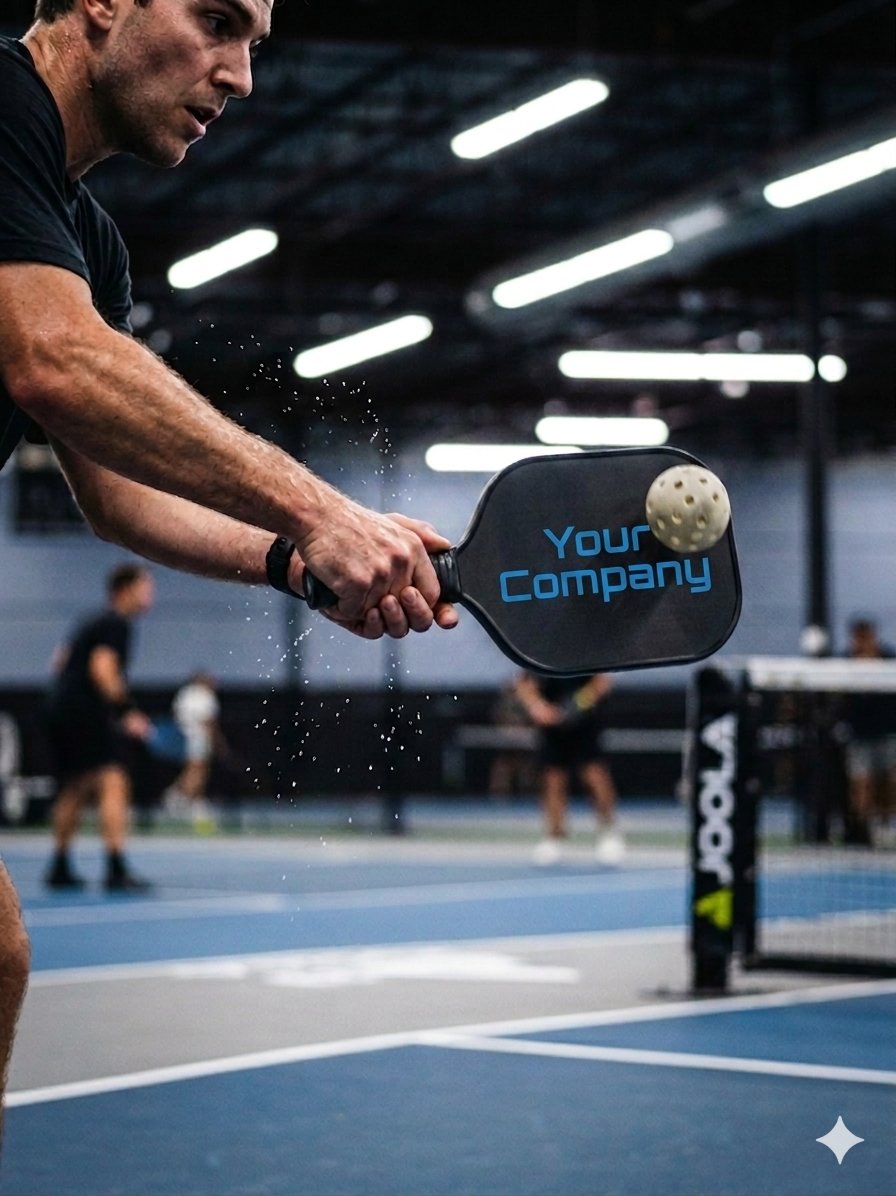
All this does not happen in a vacuum. The coach must listen for the human signals behind the data. A player’s tone of voice, their breath, the flicker of frustration in their eyes—all of that matters. The best coaches use data to inform the conversation, not dominate it. They ask questions that invite the player to own the improvement. When a learner feels ownership, the training becomes personal and durable.
Two pathways you might see in a program
-
Technique-forward path: The emphasis here is on incremental refinements to the most frequently used strokes. The coaching team isolates one component at a time, such as paddle-face angle on a drive or the length of the paddle drop in a dink. They quantify improvement with immediate feedback, using metrics that relate directly to the shot quality. Players on this path often move quickly from good to excellent in a narrow facet of the game and then broaden their skill set to avoid over specialization.
-
High-intensity game integration path: This route places equal weight on movement efficiency and shot decision making. It features short, sharp drills designed to reproduce pressure moments from real matches. The data collected includes sprint speed, reaction time, and the percentage of successful counters on return of serve. Players here learn to manage nerves, pace rallies, and make smarter choices about when to attack and when to reset.
A practical example of improvement
A player once told me they felt their net game was fine, but they struggled with passing shots from mid court when the opponent anticipated a block. The coaching team used a combination of video review and a simple shot-tracking device to quantify how often this player’s paddle path drifted too far forward at contact. By correlating contact angle data with rally outcomes, we could pinpoint that the issue wasn’t power; it was timing. The clinic adjusted the training to emphasize a slightly later contact point during the mid-court drive. Over three weeks, the player’s passing shot success rate rose by a meaningful margin, and the fear of that shot in a live rally diminished.
Realistic expectations
If you are evaluating a program that markets itself as tech-forward, walk with a critical eye. The most credible programs are honest about what data can do and where it cannot. There are no guarantees that a certain gadget will erase all mistakes or erase the need for hard work. Improvement is a function of how well you integrate technique, fitness, and strategy into a consistent practice routine. You should see progress followed by plateaus and then progress again as you refine the process. The role of the coach is to shepherd that cycle with clarity and patience.
The cost of commitment
A tech-forward approach cannot exist in a vacuum. It demands regular practice, thoughtful rest, and a disciplined approach to learning. If you are balancing a demanding job, family commitments, and travel, the best programs adapt. They offer flexible scheduling, a range of beginner to advanced tracks, and options for in-person and virtual coaching sessions. The hybrid model makes it possible to maintain momentum pickleball near me even when life gets busy. The payoff, when the plan sticks, is a player who travels with a toolkit rather than with a list of excuses.
A note on accessibility and community
Era Pickleball programs stand out when it comes to building community. Training is rarely a solitary pursuit. Players share notes, compare progress, and celebrate small wins that would otherwise slip by unnoticed. The coaching staff fosters an environment that welcomes curiosity yet demands accountability. That balance matters because it sustains motivation. It is one thing to learn a sophisticated drill in a controlled setting and another to carry that drill into a real match with a partner on the other side of the net who wants to win just as much as you do.
The human story behind tech
Behind every dataset is a person wearing court shoes and a focused look. I have watched players who arrive with a quiet confidence, only to find themselves unsettled by the first live exchange. After a few sessions, they begin to articulate a specific goal, such as improving cross-court consistency or sharpening their backspin on serves. The data becomes a shared language, not a translation for an impersonal system. In such spaces, the human element—coaches asking the right questions, players embracing feedback, and partners supporting each other—remains the fulcrum on which improvement pivots.
Two lists to anchor practical steps
- A quick-start path for players new to tech-backed training:
- Define a concrete goal for the next four weeks.
- Commit to a weekly practice block that includes a technique drill, a fitness component, and a match-play segment.
- Track one or two metrics that relate directly to your goal.
- Review your data with a coach and translate it into two actionable adjustments.
- Schedule a mid-point check-in to recalibrate.
- A compact roadmap for ongoing development:
- Establish a baseline for movement quality and shot accuracy.
- Introduce at least one new drill every two weeks to broaden your skill set.
- Use fatigue-aware planning to protect technique under pressure.
- Integrate strategy drills that mimic common opponent patterns.
- Reassess your goals after every eight practice sessions.
From the court to the chart room
The arc of improvement in Era Pickleball style coaching is a loop rather than a straight line. It begins with a clear perception of where you are, moves through a set of precise, repeatable adjustments, and returns with a broader understanding of how to apply those adjustments in real matches. The best coaches remain flexible enough to adapt the plan as the player grows and the sport itself evolves. Data is a compass, not a map. It points toward promising routes, but it does not decide the journey.
If you are curious about pickleball training and how era style programs intersect with erapickleball.com pickleball training or coaching, the invitation is straightforward. Look for a program that treats you as a growing athlete rather than a canvas for gadgets. Seek coaches who are eager to share their reasoning, not merely their results. Demand clarity about what metrics will be used, how often data will be reviewed, and how practice design aligns with your personal schedule and quality of life.
A final reflection on practice philosophy
Good coaching solves two problems at once. It helps you do something better and helps you understand why you did it that way. Tech-enabled training addresses both parts, providing tangible feedback while inviting thoughtful interpretation. The aim is not to erase the artistry that makes pickleball compelling but to illuminate it with precision so that artistry is built on a foundation you can trust.
In the end, the most successful players you see on the court are not the ones who rely solely on instinct or solely on data. They are those who learned to fuse both, to let the numbers tell a story of movement and rhythm, and then to translate that story into the pulse of a rally. The coaches at Era Pickleball understand this fusion intimately. They know that the best improvements arrive when you can feel your way through a drill while the data confirms that you did not drift off track.
This is how skill development feels when it is anchored in real-world practice and grounded in thoughtful technology. It is the confidence that comes from knowing what to do, plus the evidence that you are doing it well. It is the steady march forward that keeps players engaged, resilient, and excited for the next court session. It is the kind of progress that turns a good player into a reliable competitor, week after week, season after season, year after year. And it happens not by chance, but by design, with a program that respects the sport, honors the individual, and uses technology as a partner in the long journey of improvement.