Column · @devinyyov363
erapickleball.com Pickleball Academy: Online Resources and In-Person Sessions
In the world of pickleball, learning matters as much as playing. The pace of the game rewards decisive practice, precise footwork, and a vocabulary of shots that can only be built through deliberate repetition. The erapickleball.com Pickleball Academy has grown from a handful of useful drills into a virtual hub that blends online resources with hands-on coaching. The result is a balanced approach that suits players at every level, from curious beginners to seasoned competitors chasing podium finishes.
This piece looks beyond glossy marketing to map out what makes the academy distinctive, how the online materials complement real-world instruction, and what players can expect from in-person sessions. It’s a portrait formed by months in the trenches—watching players struggle with dips and drives, then watching them light up when a new cue finally clicks. If you’ve considered a pickleball training program, the academy's blend of digital content and live coaching is worth evaluating on its own merits.
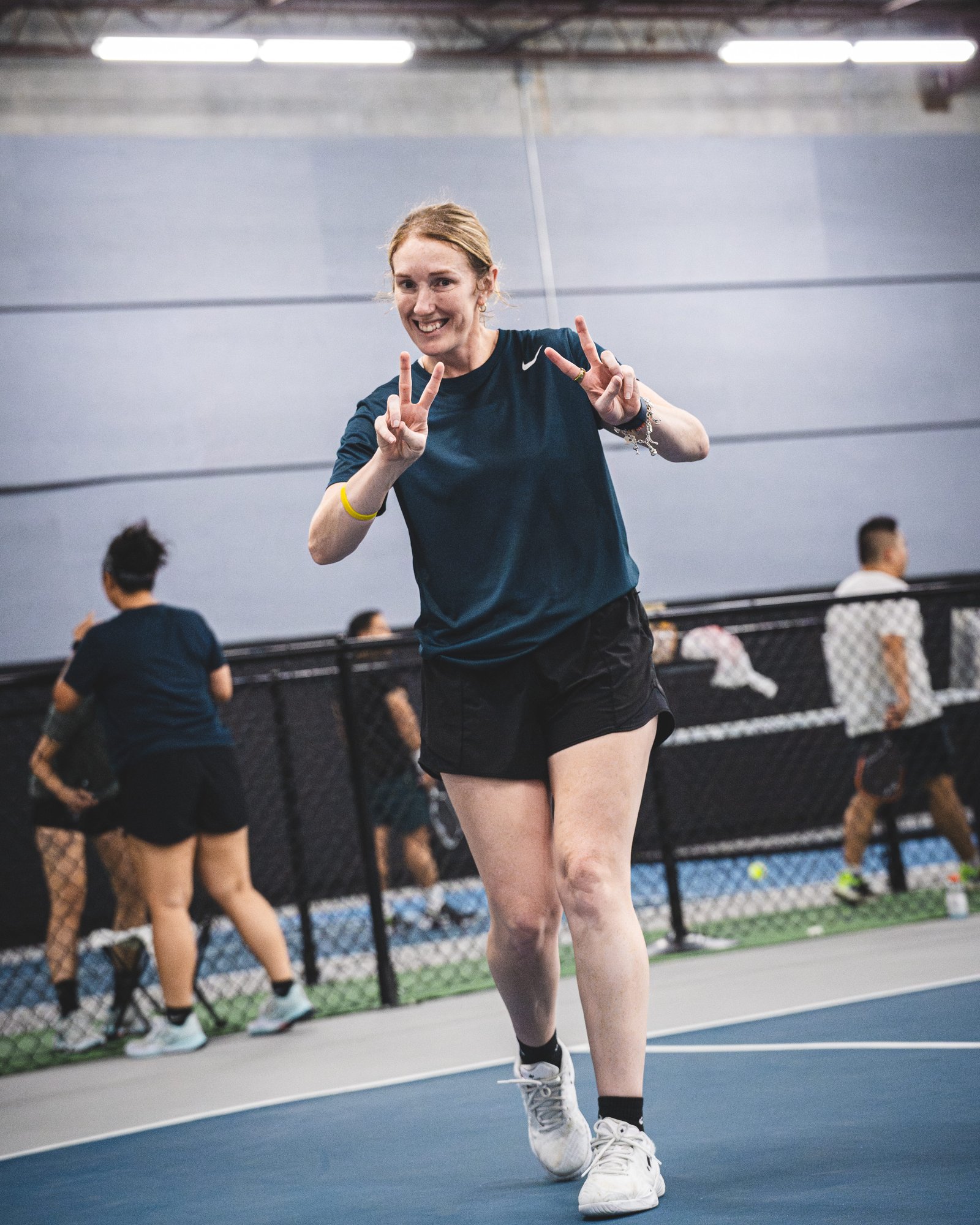
From the outset, the core idea behind Era Pickleball’s philosophy is straightforward. Mastery comes from repetitive, purposeful practice conducted under clear guidance. The online resources are designed to scaffold skill development between sessions, while in-person sessions anchor that growth in tangible on-court outcomes. The approach respects the realities of modern players who juggle work, family, and a packed calendar. It offers the flexibility to learn asynchronously when time is scarce, then to intensify focus with in-person sessions that provide real-time feedback and nuanced coaching.
Online Resources: A Map, Not a Touristic Highlight
The online portion of the academy is a library grown through careful curation, not a random aggregation of drills. You won’t stumble upon random tips here. Instead, the content is organized around skill progressions that align with common travel paths through the sport. If you’re new to pickleball, the online materials lay a foundation that is both practical and accessible. If you’re at a higher level, the library scales with you, offering deeper dives into strategy, shot selection, and court awareness.
One of the most valuable features is the guided progression framework. It starts by grounding players in the mechanics of the fundamentals—grip, stance, paddle angle, and contact point. The path then moves into shot sequencing, rhythm, and the mental side of the game. What makes this approach useful is its emphasis on consistency over flash. The academy’s instruction favors repeatable actions with measurable outcomes, which makes it easier to track improvement over weeks rather than months.
The drill videos are short, focused, and repeatable. They aren’t meant to be watched once and forgotten. Each drill carries a clear purpose, a practical drill path, and a cue or two that players can carry onto the court. The rhythm of the material is deliberate: warm-ups followed by technique refinement, then situational practice that simulates match realities. The goal is not merely to perform a flashy shot but to embed a dependable option within a player’s toolkit.
In addition to technique, the online resources explore tactical awareness. Pickleball isn’t only about hitting the ball well; it’s about choosing the right shot at the right moment. The academy’s modules on positioning, shot selection, and court movement help players recognize patterns in opponents and react with purpose. These lessons translate well to recreational play and competitive leagues alike. The emphasis on decision making — reading the opponent, anticipating ball trajectories, and using the court to squeeze an advantage — is where good online content often falters. Era Pickleball’s approach keeps you moving toward practical mastery rather than glossy theory.
Another strength of the online suite is its community orientation. There are forums and comment sections where players share breakthroughs, ask questions, and receive feedback from coaches who have clear, consistent standards. This social dimension matters because learning in isolation can stall motivation. When players see progress documented by peers, or when they receive timely guidance on a stubborn fault, the learning cycle accelerates. The academy thoughtfully threads accountability into the online experience, encouraging players to set achievable, time-bound goals and to revisit them as their skills evolve.
For those who travel or have irregular schedules, the asynchronous format is a lifeline. You can absorb material on your own time, rewatch key segments, and practice deliberate drills before a live session. The best online programs recognize that onboarding needs to be accessible and practical. Era Pickleball’s online resources honor this reality by providing concise modules that respect a player’s time while still delivering meaningful, cumulative improvement.
In-Person Sessions: The Human Moment
No training program worth its salt neglects the on-court human element. In-person sessions are where all the promises of the online content get tested under practical pressure. They also provide a rare opportunity to observe how a coach translates general principles into personal coaching. Real progress in pickleball often hinges on small, nuanced adjustments that are hard to capture in a video alone. The onsite coaching staff brings those adjustments to life with an eye for detail and a knack for timely feedback.
The structure of in-person sessions tends to vary by the players’ goals and skill levels. Beginners might begin with a broader diagnostic on their stance, footwork, grip, and contact point. The coach will disassemble common blockages with gentle, clear instructions and then reassemble the approach into a cohesive movement pattern. For intermediate players, the emphasis shifts toward pattern recognition, shot variety, and the fine-tuning of timing. Advanced players might work on tactics, transition play, and pressure management, with the coach deploying more sophisticated drills that mirror competition scenarios.
A hallmark of effective in-person work is the emphasis on habit formation. Coaches aren’t looking for one-off improvements; they’re building sustainable change. If a session centers on serve return dynamics, for instance, you’ll feel a thread running through subsequent practices. The cueing becomes a shared language that the player and coach can rely on when fatigue and nerves threaten performance. In real sessions, this continuity matters because it creates a sense of progress you can palpably feel on the practice court and later in matches.
The value of individualized attention cannot be overstated. While online content is scalable and broad in its reach, it cannot replace the eye of a coach who sees you move in real-time. The coach notices tiny misalignments, such as the placement of the paddle face at contact, the angle of the paddle through the ball, or the subtle rhythm of your footwork. These are the sorts of details that separate good players from great ones over the course of several tournaments or league seasons. In-person sessions give you that individualized diagnostic, along with a plan tailored to your schedule and your goals.
Another practical benefit of on-site sessions is the direct transfer of the online lessons into live play. When an athlete practices a drill at home or on a local court, they may be tempted to shortchange the movement or to fall back into comfortable habits. The live coaching environment provides a corrective loop. The coach can see what you have internalized from the online modules, celebrate the things you’re executing well, and then isolate the remaining gaps. The result is a more integrated development path, where digital learning and face-to-face coaching reinforce one another.
Facilities, Scheduling, and Access
Era Pickleball’s centers are designed with more than just courts in mind. The physical spaces emphasize safety, atmosphere, and practical logistics that reduce friction for busy players. Courts are laid out with ample sightlines, good lighting, and a consistent paddle-propelled rhythm that reduces the cognitive load during drills. The surroundings are calm rather than chaotic, which helps players execute precise footwork without being overwhelmed by noise or distractions.
Scheduling is built around balance. In many markets, there are recurring classes that fit typical workweeks, mixed with open court times for drop-ins. The academy also offers capabilities for private coaching, which is invaluable if you’re working toward a specific tournament or forging a unique training plan to accommodate travel or family commitments. The flexibility is a clear advantage for players who need to integrate pickleball into a busy life rather than reshaping their calendars around it.
Pricing structures reflect this same practicality. The academy tends to present a tiered approach that acknowledges the difference between ongoing skill development and occasional coaching. A typical pattern involves access to a robust online library as a base, with tiered options for weekly in-person sessions or a bundle that pairs online content with periodic on-court coaching. For many players, this hybrid approach represents a sweet spot between cost control and meaningful progress.
The social and community aspect of the era Pickleball ecosystem is also a factor here. The academy nurtures a culture where players cheer for one another, share success stories, and offer practical tips in a nonjudgmental environment. This sense of belonging matters because the sport is inherently social. The court becomes a place where rivalries can be healthy and friendships can form. When you feel supported by a community that values improvement as much as competition, you’re more likely to put in the work.
What You Can Expect: A Practical Roadmap
If you’re weighing whether to enroll in the erapickleball.com Pickleball Academy, consider how the program aligns with your current reality and aspirations. For a new player, the onboarding is often the most important stage. You’ll be guided through foundational movements and basic shot shapes, with the online resources providing a gentle, structured entry. The in-person sessions that follow help you translate those foundations into reliable groundstrokes, dependable serves, and confident net play.
For a player who already has some game, the assessment becomes more granular. You’ll spend time identifying a few stubborn mechanical habits and a handful of strategic gaps. The online library will offer targeted drills and practice layouts that directly address those issues, while the on-court sessions will press you to apply the improvements under match-like pressure. The synergy here is important: you don’t want to waste time with generic instruction when your aim is specific advancement.
A practical, day-to-day approach to training with Era Pickleball often looks like this. Start with a short online module focused on a particular facet of the game, say, ball control off the backhand or the transition from baseline to net. Then, schedule a one-hour on-court session to test the learned mechanics in a controlled environment. Finally, return to the online resources to reinforce the lesson with additional drills and video reviews. The cadence keeps you moving forward without overwhelming you with information.
Edge cases and limitations are part of any robust training program. Some players may find the online content too theoretical at first, or they may require several in-person sessions before the benefits become visible in competition. Others may hit a plateau when they master the basic drills and seek more aggressive tactical challenges. The academy’s design aims to accommodate these realities by offering adjustable pathways: a longer, more technique-focused track for those who need to flatten mechanics; or a faster, strategy-forward track for players who want to accelerate toward match play.
The role of feedback in this framework is significant. In-person sessions provide immediate cues that you can carry back to your solo practice. Online content, meanwhile, offers an ongoing stream of external feedback through coaching commentary, community reviews, and performance tracking. The most productive players treat feedback as a loop rather than a verdict. They translate what they hear into small, repeatable adjustments and then validate the changes with subsequent practice.
Two Practical Considerations for Prospective Members
The decision to join a pickleball academy is often about two practical questions: how much time can I invest, and what is the likelihood that the program will move the needle on my results? The online library’s breadth means you can tailor your commitment, but it also means you must avoid the temptation to overconsume content without applying it. The best approach is to commit to a weekly cadence that blends video study, drills, and a few on-court sessions. That rhythm creates a feedback loop that keeps you moving forward.
Another practical factor is alignment with your goals. Do you want to raise your league seed, extend your playing lifespan on the court, or simply enjoy more consistent recreational wins? The academy’s design acknowledges these aims and provides pathways that respect different destinations. This is not a one-size-fits-all program. It is a toolkit that you can adjust over time as your priorities shift. If your ambitions evolve toward competitive play, the in-person sessions become even more valuable as a way to calibrate your technical base against more aggressive opponents.
Finally, there is the human element. Access to a supportive coaching team matters, but the true value emerges from how you engage with the community around the academy. The best players here don’t just attend sessions and watch videos; they participate in challenges, share their progress, and ask sharper questions. This communal energy makes the learning curve buoyant rather than isolating. It transforms a hobby into a disciplined practice and, eventually, into a reliable part of your weekly routine.
Two Lists: What to Expect as You Join
-
First, a steady, structured online foundation. This includes fundamentals drills, movement patterns, and shot-specific practice that can be completed on your own schedule. The online modules are designed to be self-contained, with clear cues and short videos that you can revisit.
-
Then, a responsive, expert-guided on-court experience. In-person sessions provide real-time feedback, personalized adjustments, and strategic coaching aligned with your goals. The on-court work integrates what you’ve learned online into live play, with an emphasis on transfer to competition and consistent performance.
Reasonable expectations from time invested. Consistency matters far more than intensity. You’ll begin to see small improvements within weeks, but the real gains appear as practices accumulate and your reflexes begin to align with your intended patterns. The pathway rewards patient, deliberate work rather than heroic, single-session breakthroughs.
Ethical and practical commitments from the academy
Era Pickleball’s reputation rests on a commitment to practical, honest coaching. The team avoids overpromising outcomes and instead guarantees a crisp, actionable framework you can test on the court. The content is updated to reflect evolving strategies and common player mistakes observed across sessions. This ongoing refresh is essential in a sport that rewards adaptation and quick thinking.
The academy also prioritizes accessibility. There are multiple access points to the content, with options for different budgets and schedules. The aim is to reduce the friction of starting a training plan and to keep the door open for players who might be exploring pickleball for the first time. In practice, that means transparent pricing, flexible scheduling, and a breadth of resources that can be used at a pace that fits real life.
A note about honesty in coaching and performance data. The academy’s approach includes honest, constructive feedback about your strengths and weaknesses. You won’t get grandiose guarantees or empty praise. Instead, you’ll receive clear, actionable insights and a plan to address each identified area. This alignment between expectation and execution is what sustains long-term improvement and keeps players motivated through inevitable plateaus.
Real-world stories: What players gain from the blend
To illustrate the impact, consider a player who joined with a baseline understanding of the sport but struggled with consistent serve returns. The online modules drilled down on the mechanics of the return, offering drills that emphasized contact timing and paddle angle. After a few weeks of focused practice and one targeted on-court session, the player found that return accuracy improved noticeably. Not only did they win more points on service games, but they also began to feel more confident stepping into rallies. These shifts aren’t dramatic overnight changes; they’re incremental, reliable gains that compound over time.
Another player, this website with a desire to move to more aggressive net play, used the academy’s tactical modules to study court geometry and shot selection. The on-court sessions then pushed them to apply those ideas against faster opponents and more varied spins. The result wasn’t a single trick shot, but a more versatile net game that felt natural rather than forced. The player reported less hesitation at the net and a greater willingness to take calculated risks when the moment presented itself.
The academy’s community platform also offered a different kind of payoff. By sharing video clips and receiving feedback from peers and coaches, a player learned to interpret feedback without taking it personally. The process became less about proving a point and more about refining a method. This mindset change pays dividends beyond the court, translating into a more resilient approach to training and competition.
Closing thoughts: Is this the right path for you?
If you value a training program that respects your time and your ambition, the erapickleball.com Pickleball Academy stands out for its thoughtful blend of online resources and in-person sessions. The structure invites you to begin with solid, practical foundations online, then tests those foundations in the dynamic environment of live coaching. The approach is not merely about hitting a few good shots; it’s about cultivating a reliable process you can repeat in every match, across settings, and under pressure.
The real strength lies in the synergy between the two modalities. Online content creates accessibility and consistency, while on-court coaching adds nuance, accountability, and immediate feedback. The result is a learning arc that accommodates busy schedules without compromising the depth of improvement. If you’ve been searching for a pickleball training program that blends digital and physical coaching into a cohesive journey, Era Pickleball’s academy deserves thoughtful consideration.
In the end, the question is how you want to grow as a player. If you want a structured, evidence-informed pathway that respects your time and offers tangible on-court gains, this academy provides a credible, well-executed framework. It is not a magical fix for every challenge, but it is a practical and dependable way to advance your game with intent and consistency. The court rewards disciplined practice as much as natural talent, and the academy’s approach aligns with that truth.
If you’re ready to explore more, the first step is straightforward: review the online resources to identify the foundational skills that align with your current level, then book a trial or introductory on-court session to experience the coaching style and court atmosphere. In pickleball, your development is a story you write through repetition, clarity of purpose, and the willingness to step onto the court with a plan. The Era Pickleball methodology invites you to do just that, one practice at a time.