Column · @devinyyov363
Pickleball Center Era Pickleball: Court Maintenance Schedules
The sound of a well-tuned court is a quiet miracle in a busy pickleball center. Between the chatter of players arriving for a late afternoon match and the steady thump of paddles meeting ball, there lives a discipline that often goes unseen: court maintenance. At Era Pickleball, the difference between a good day and a great day on the court starts long before the first serve. It starts with a schedule that turns routine care into dependable performance, with a conscience about the spaces we share and the people who depend on them.
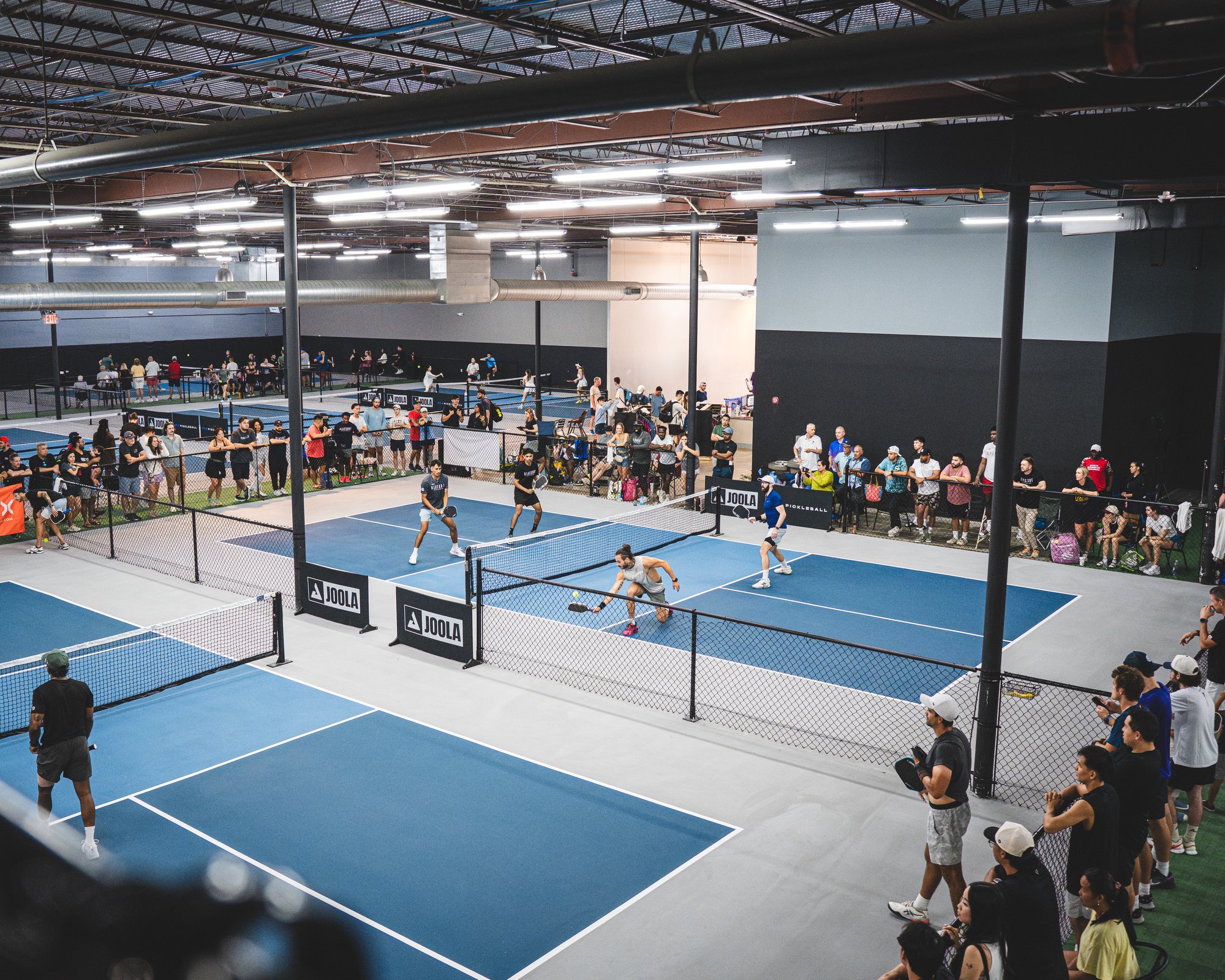
When I first walked into Era Pickleball, the floor looked pristine, the nets hung with a casual confidence, and the air carried a faint scent of fresh wax and rubber. It was immediately apparent that someone had thought about the space as a living thing, one that needs inspection, energy, and time. Over the years I spent on the floors of the pickleball center Era Pickleball, I learned that maintenance is not just a task list. It is a practice that blends science, craft, and a touch of stubborn pragmatism. Court care becomes a running commentary on how the center values the players who walk through its doors every day.
A court is more than a surface. It is a stage where speed, spin, and strategy are translated into tangible experience. The color and texture of the surface determine how a dink will land and how a drive will carry into the corner. The nets, the lines, the lighting, and even the air quality influence the rhythm of a game. For players renting space at Era Pickleball Center, reliable court maintenance translates into predictable performance. From the perspective of a pickleball academy like Era Pickleball, consistency matters as much as innovation. A well-kept court invites beginners to learn with confidence and challenges seasoned players to push their boundaries without the distraction of flawed lines or slick surfaces.
What follows is a practical, nuts-and-bolts look at how to structure court maintenance for a contemporary pickleball center. The aim is not to impose rigidity but to offer a framework that can adapt to different facilities, traffic patterns, and local conditions. I will share specifics drawn from real-world operations at erapickleball.com pickleball center facilities, including how we balance routine upkeep with the unpredictable demands of a busy season. If you are running a court rental operation or managing a dedicated pickleball academy, you will find guidance here that crosses from the warehouse of tools to the desk of scheduling, from paint can to maintenance log.
The foundation of any good maintenance program rests on two pillars: predictability and adaptability. Predictability means you know when to do what and why it matters, so players can plan around it. Adaptability means you respond when conditions change—seasonal weather, high-traffic weekends, or a sudden retrofit that changes the playing field in front of you. A strong schedule gives staff a rhythm, and it gives players a sense of trust in the space. At Era Pickleball, trust is the baseline from which all relationships grow, whether you are renting a court for the first time or enrolling a junior into a skills-intensive program.
In practice, a sound court maintenance schedule mixes routine care with targeted checks. The routine acts like a daily whisper: sweep, mop, check nets, verify line integrity, and inspect the floor for wear. The targeted checks are the more deliberate conversations you have with the space: are there patches of wear that need repair? Is the anti-slip layer performing its job in high-traffic zones? Do the lighting levels remain even across the court footprints? Each question feeds a decision to adjust the plan, not a single reaction to a problem.
The work is not glamorous. It is exacting, repetitive in its best sense, and essential to the continuity of play. When the center follows a thoughtful maintenance schedule, it reduces the risk of injuries, extends the life of a court surface, and preserves the value of the facility for players who call Era Pickleball home. The human element matters as well. Maintenance staff who understand the sport—its footwork, its contact points, its moments of sudden pressure—will notice wear patterns that machines alone might miss. That instinct is born from watching thousands of shots and listening to the forum of lines and rails as players move through a match.
In the sections that follow, I lay out concrete schedules and guiding principles that have worked in real settings. I will intersperse practical notes with the kind of anecdotes that Era Pickleball only come from years of hands-on work in pickleball centers. The aim is to offer a workable, flexible approach you can adapt to your specific venue, whether you are operating a pickleball academy at erapickleball.com or managing a larger center with multiple courts and a rental stream.
Court surfaces and their quirks deserve a brief preface. Most modern indoor pickleball floors fall into two broad families: polyurethane or acrylic over concrete. The exact composition can influence maintenance choices, especially around cleaning agents and sealing routines. A polyurethane surface often benefits from a gentle cleaner and a periodic re-seal to preserve traction and color. Acrylic or epoxy coatings on concrete can wear unevenly where players slide into the baseline or chase balls along the doubles alley. In my experience, the best approach is to treat each court according to its material family while maintaining a consistent baseline care schedule. The goal is not to chase the latest product trend but to maintain a level of cleanliness and traction that keeps play predictable at every hour of operation.
A steady rhythm for court care begins with daily, weekly, and seasonal tasks. The daily routine can be performed by front desk staff or housekeeping teams, the weekly tasks by a dedicated maintenance crew, and the seasonal tasks by a combination of in-house teams and trusted contractors. The work is never done in a vacuum. It feeds a larger program of court rental cadence, league scheduling, and private lessons that dominate Era Pickleball’s calendar at peak times.
The daily routine centers on keeping the surface clean and safe. A well-swept court reduces dust and debris that can affect traction and ball bounce. A damp mop used with a mild cleaning solution helps remove surface chalk or resin that accumulates with frequent play. The goal is not to leave a glossy film behind but to maintain a light, even surface that offers consistent footing. At Era Pickleball, we emphasize a simple rule: if a court looks dirty, it probably is dirty enough to affect play. Quick check-ins during a 15-minute turnover between sessions are time well spent.
The weekly tasks take the next step. The maintenance crew conducts a more thorough inspection of lines and nets. Line tape or paint can wear at the outer edges as balls roll along the baselines. In a busy center, lines must stay visible to avoid disputes that slow down play or erode trust. A practical approach is to test line visibility under different lighting and adjust signage or repaint as needed. Net tensions are measured with a simple gauge, and any sagging is corrected by adjusting tension or replacing worn hardware. The goal is for a net to hang uniformly across all four corners, with no sections that curl or droop to the court surface.
Seasonal checks are where the long-view logic of maintenance reveals itself. The weather can influence what you need to do, even in an indoor facility, because humidity levels, temperature swings, and air quality affect the surface and the underfoot experience. Seasonal checks often include a deeper inspection of subfloor integrity, moisture barriers, and the condition of sealants around the perimeter. In venues like pickleball centers managed by Era Pickleball, we align these checks with our rent cycles and with off-peak windows to minimize disruption for players during prime time. When a season passes without warning, the space speaks. A slight edge roughness, a faint edge lift, or a small peel in a sealant can become a bigger problem if left unattended.
The following two lists offer a compact reference for teams adopting a structure that parallels what we do at Era Pickleball. They are not commandments etched in stone but living checklists that can be adapted to different facility sizes and traffic patterns.
First list: monthly tasks for surface longevity and safety
- Inspect all four court surfaces for wear patterns, micro-scratches, and isolation of any shallow divots
- Re-tighten nets and check tension across all posts, replacing any worn fasteners
- Verify line visibility and reapply or refresh markings where needed
- Clean and reseal high-traffic zones if the surface shows signs of micro-damage or traction variability
- Review equipment logistics, including replacement paddles and cleaning supplies, to ensure ready access for staff and renters
Second list: seasonal checks for infrastructure and environment
- Inspect subfloor integrity and moisture barriers in the wake of seasonal humidity changes
- Audit lighting levels and uniformity across the courts, adjusting fixtures or moving players away from glare
- Inspect perimeter sealing and door seals for drafts that could alter indoor air quality
- Schedule professional inspection if there are subtle shifts in floor texture or noticeable changes in bounce
- Update maintenance logs with season-specific observations to guide future planning
These items are meant to be practical anchors, not exhaustive manuals. The reality of running a center like Era Pickleball is that every day introduces small variables: a spill in the snack area that forces a quick mop, a new batch of chalk used to map lines after a repaint, a temporary court reservation that pushes a routine to a different hour. Flexibility matters just as much as discipline, and the best teams learn to anticipate the little disruptions as part of the normal course of business.
I have watched teams improvise with decorum and care when a weekend rush tests their systems. The moment a court appears slick after a heavy rain, a staff member can respond with a preplanned protocol: pause rentals for fifteen minutes while the surface is dried, place warning signs, and adjust shoe-cleaning stations to reduce dirt transfer. These are not heroic feats. They are routine applications of the maintenance schedule, carried out with the same calm you would apply to a quiet practice session.
One of the realities you confront when managing court operations at a center like Era Pickleball is the inevitable clash between maintenance and programming. The center runs on a schedule that includes clinics from the pickleball academy Era Pickleball, private lessons, league play, and casual drop-ins. Each slot offers a different density of players and a different pattern of court usage. The maintenance plan must be robust enough to handle a busy afternoon but flexible enough to accommodate an unexpected influx of players who arrive early or stay late. The best way to achieve this balance is to embed maintenance tasks within the daily routine of the staff rather than treating them as a separate, optional module.
A practical way to implement this is to assign a lead maintenance role to a staff member who is present during all peak hours. That person becomes the point of contact for quick decisions about surface condition, line visibility, or net tension. They carry a small toolkit and a portable light to inspect corners and edge routes where dust and debris tend to accumulate. The continuity this creates is palpable. Players notice when someone takes ownership of each court as players rotate in and out. It reduces friction during a match when a player spots a line that has faded or a net that tilts slightly and knows there is a reliable process to address it.
The human side of maintenance matters, too. The relationship between players and the maintenance crew can shape a center’s culture. When players encounter staff who are honest about what is being cleaned, what is being repaired, and why a certain block of time is needed, they feel respected and more likely to cooperate with guidelines. In a world where quick decisions matter, the clarity and transparency of maintenance routines become a form of service, just as essential as the coaching or the court rental rates. This is what makes Era Pickleball more than a facility. It becomes a community where the court and the players move forward together.
In terms of practical limits and edge cases, there are a few considerations worth noting. If a court shows a consistent pattern of wear in a single lane, it may be the result of a recurring movement path—perhaps players favor a particular side during practice drills or a recurring injection of traffic around a specific drill. In that scenario, you might introduce a targeted maintenance focus on that lane. It could involve adjusting the line or adding a textured coating to restore traction. If a surface begins to show early signs of delamination, even in an indoor setting, you should coordinate with a certified contractor to assess whether a more thorough resurfacing is warranted. A data-driven approach—tracking wear patterns, slips, and bounce variance across courts—helps prevent expensive surprises and aligns with the long-view mindset of pickleball facility management.
In many ways, the success of maintenance comes down to communication. A quick, honest note posted on staff boards or sent through the center’s internal messaging system can prevent minor issues from becoming full-blown distractions during a busy weekend. If a court is out of operation temporarily for deep cleaning or re-marking, let players know the expected duration and offer a replacement court in the meantime. The trust built by clear, timely communication has a compounding effect; players appreciate the transparency, and staff gain a sense of ownership that carries into every match.
The philosophy behind these schedules aligns with the ethos of era pickleball’s approach to training and development. At the pickleball academy Era Pickleball, the focus is on developing skill with an eye on the space that supports it. The court is not a stage set but a partner in learning. As players grow, the space must hold up under the strain of higher velocity shots and longer rallies. Maintenance becomes the silent partner to the coaching, a partner that keeps pace with growth, ensuring the surface remains predictable under pressure.
In practice, our approach to maintenance is as much about process as it is about product. It is a daily habit that becomes part of the culture of the center, a reflection of how we value players and space alike. The routine must be simple enough to be carried out quickly, yet thorough enough to catch the subtle signs of aging on the surface. The best schedules feel invisible in the moment of play. They appear only when something has gone wrong or when a player notices a difference in the way a ball travels or the way a foot catches the surface. Then the routine reveals its value by restoring confidence, not just by repairing wear.
To bring this to life, consider a typical week at a busy Era Pickleball facility. Monday morning begins with a quick surface check after the weekend crowd, followed by targeted line refresh and a nets inspection. By midweek, the maintenance team deep cleans the floors in the early hours before classes start, checks the HVAC filtration levels to ensure air quality remains high, and recalibrates any lighting that has drifted. Thursday brings a light touch up to the edges where protective tape might have peeled, and a review of storage conditions for cleaning agents. Friday is about readiness for the weekend surge: ensure all paddles are in good condition, check the chalk and marker inventory for line work, and reprint any updated court diagrams if a new marking scheme is in place for a tournament coming through the center. The cycle loops with the weekend, a mix of routine care and the occasional ad hoc adjustment that keeps the facility in balance.
There is something deeply satisfying about a well-run maintenance program that grows out of authentic professional pride. The people who work behind the scenes understand that the court is their responsibility to protect. They know a court that looks after players survives the toughest weekend tournaments, the last-minute practice sessions, and the inevitable spill that threatens to slow play down. They take quiet pride in a line that remains crisp, a surface that offers reliable traction, and a net that stays taut across all four corners. Their work translates into better practice for beginners who learn to trust the bounce, better competition for advanced players who test the limits of spin, and better rental experiences for the families and clubs who rely on Era Pickleball for training and competition.
The human experience is most visible when you observe how players respond to the space you protect. A court that feels predictable becomes a canvas for creativity. It invites players to experiment with new shots and new strategies with a sense of security, a sense that the space will hold the line as they travel to the net or retreat to the backcourt. In the end, maintenance is not a sterile routine. It is an act of care that anchors the center, supports the coaching, and sustains the momentum of a growing community. It is the quiet backbone of a space that aspires to be more than a place to play; it aims to be a place where players can learn, compete, and push their limits with confidence.
If you are starting a pickleball center or expanding an existing facility, there are practical takeaways that emerge from the experience at Era Pickleball. First, integrate maintenance into the daily operations rather than treating it as a separate, once-a-week task. The staff that interacts with players most often is the best-equipped to notice wear or traction changes. Second, document every action. A maintenance log, with dates, tasks performed, and any anomalies observed, becomes a living record you can consult when scheduling resurfacing or negotiating with contractors. Third, cultivate a culture of ownership. When staff feel responsible for a court, they treat it with care, and players respond with greater respect for the space. Fourth, build redundancy into the plan. Stock extra nets, markers, and cleaning agents so a busy tournament weekend does not derail play. Fifth, view maintenance as a competitive advantage. A well-kept space is a selling point that can accompany the message of your pickleball academy, your court rental offerings, and the overall quality of your center.
There are inevitable trade-offs in any maintenance program. For instance, the most aggressive resurfacing or sealing schedule can extend surface life but may require temporary court downtime that disrupts programming. The right balance depends on usage patterns. A high-traffic center, especially one that hosts regular clinics and tournaments, might justify more frequent checks and earlier attention to signs of wear. A quieter, training-focused venue can often stretch intervals between deep maintenance without compromising the quality of the playing experience. The beauty of a practical plan lies in its flexibility: you adjust the cadence without losing the core commitment to safety, consistency, and performance.
At era pickleball’s pickleball center, we also consider the broader ecosystem—how the maintenance routine influences partner relationships with vendors, contractors, and equipment suppliers. A proactive maintenance schedule helps predict maintenance costs more reliably, which in turn helps with budgeting for the year. It is easier to justify occasional investments in higher-grade sealants, better lighting, or a resurfacing plan when you can demonstrate that the space behaves consistently over time. In short, good maintenance nurtures financial clarity and operational reliability, a combination that supports growth for any facility in the era of thriving pickleball communities.
The personal experience of watching courts mature alongside a community is a reminder that every upgrade carries a footprint. When a center invests in better lighting or a more durable surface, the effect isn’t confined to a single court. It ripples through players’ schedules, coaches’ routines, and families’ weekend plans. You begin to see beyond the surface to the rhythm that keeps a facility alive. You notice how a center’s maintenance cadence aligns with its programming, how a clinic schedule can be tuned to minimize downtime for resurfacing or line work, and how a rental process can adapt to tight windows without compromising safety or quality. That is the essence of Era Pickleball’s approach: a space that grows with its players, not one that outpaces them.
In closing, the most important takeaway is this: a thoughtful maintenance schedule is a living agreement between the space and the people who use it. It is an ongoing conversation about how we value safety, consistency, and the joy of play. It is a discipline that, when done well, disappears into the background of a match, allowing players to focus on the art of their craft rather than worrying about the condition of the court that carries their shots. If you are building out a program at erapickleball.com pickleball academy, or you are managing a pickleball center Era Pickleball, you will find that a clear, adaptable maintenance routine is not a luxury. It is a foundational element that enables every other piece of your operation to perform at its best.
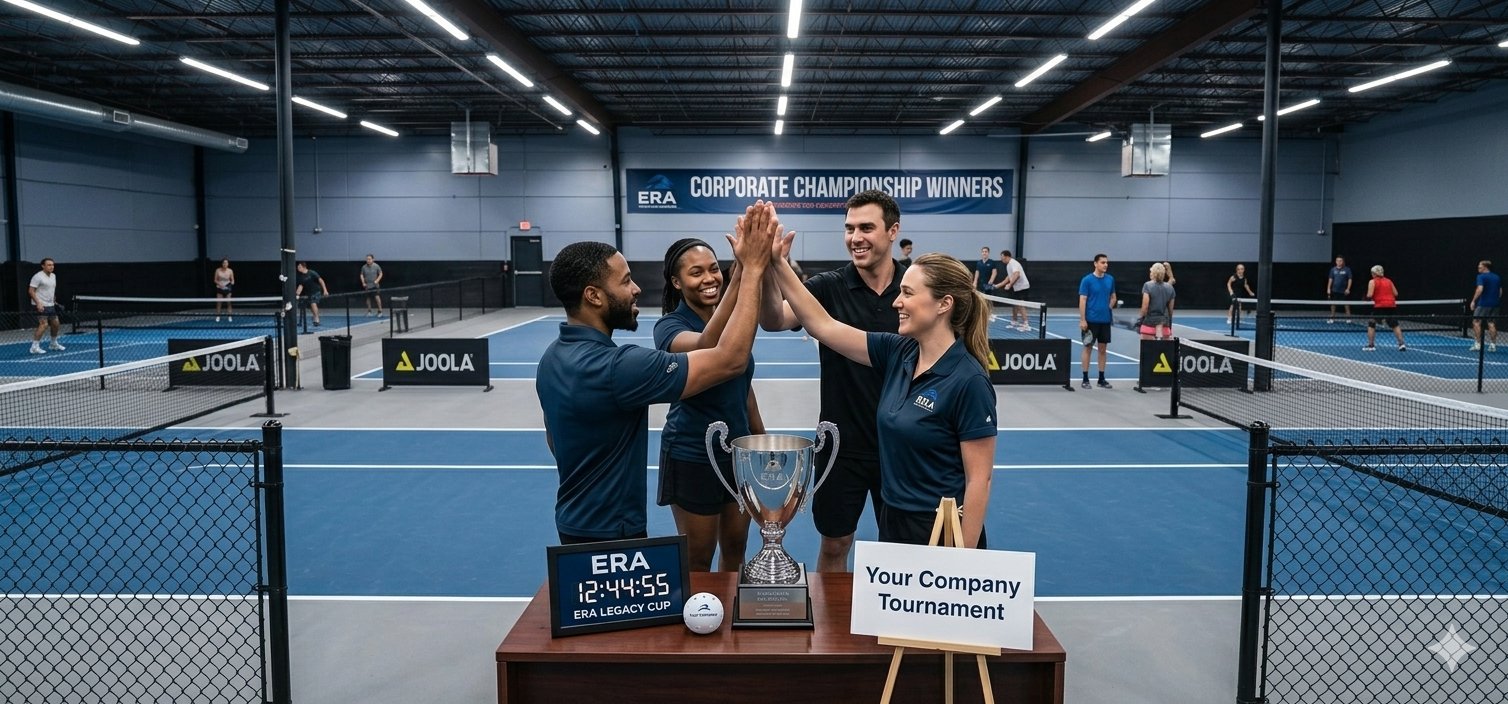
The courts are quiet now, waiting for the next round of play. The nets hang with their familiar tension, the lines are crisp, and the surface glows with a uniform sheen that speaks to care, not haste. In this space, a schedule is not a burden but a covenant with the players who matter most. It is a promise that when they come to practice, to learn, or to test a new serve, the ground beneath their feet will be ready. That is the heart of Era Pickleball’s commitment to court maintenance: enduring reliability, practical wisdom, and a steady hand on the surface that carries every ball toward a better game.